70ROC
Independent Rochester masonry and stonework directory
Top 18 Stoneworks Companies in Rochester, NY
Every Rochester-area masonry and stonework company, ranked by verified Google, Yelp, and BBB reviews with our transparent Roc Score — updated weekly, with no paid placements.
18 companies trackedRanked by Google · Yelp · BBBNo paid placements
- 18
- Companies tracked
- Across Greater Rochester
- Weekly
- Rankings updated
- 3
- Review sources
- Google · Yelp · BBB
- $0
- Paid placements
- Independent & unbiased
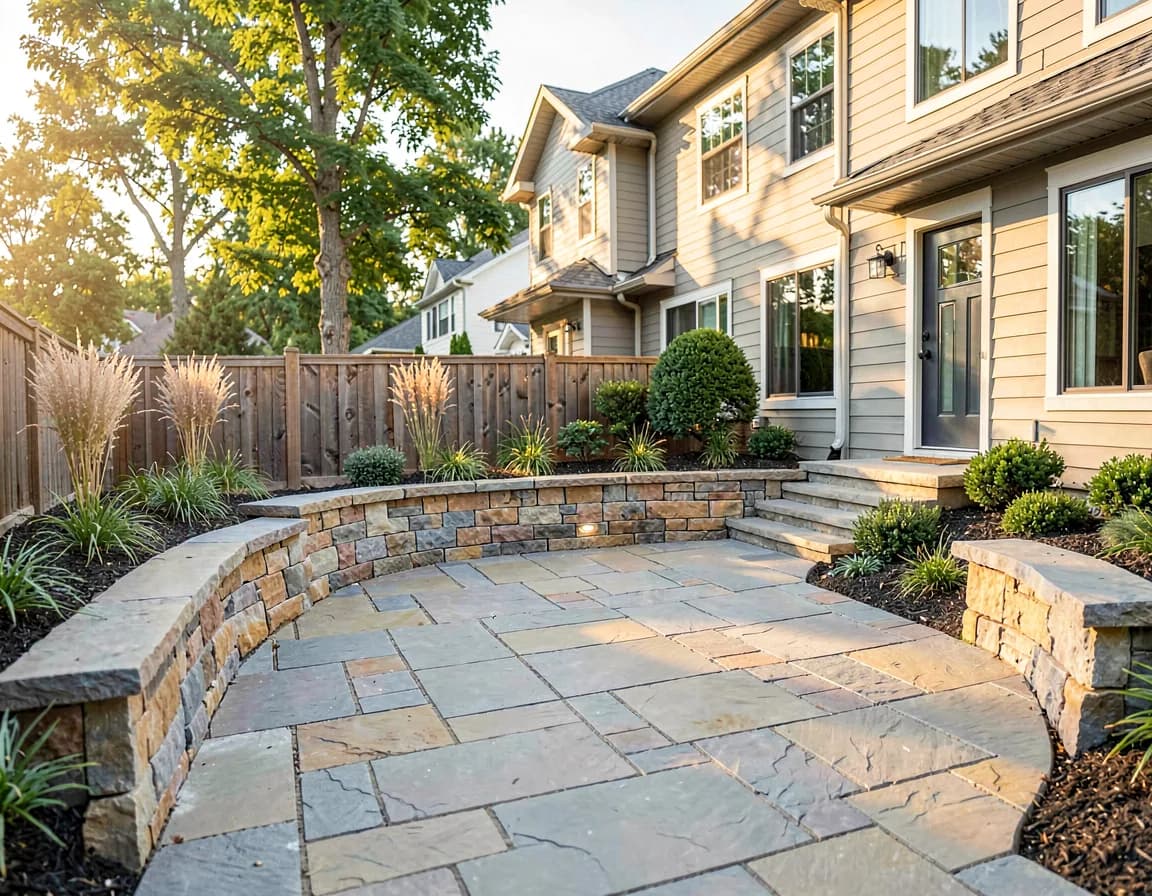
Stonework in Rochester, NY costs $20–$80/sqft depending on stone type (natural vs manufactured). Permits are often needed for retaining walls over 4 ft; look for NCMA-certified contractors. The most-reviewed providers are ranked below by verified customer reviews across Google, Yelp, and the BBB.
Showing 10 of 18 tracked companies
What sets the best masonry and stonework companies apart
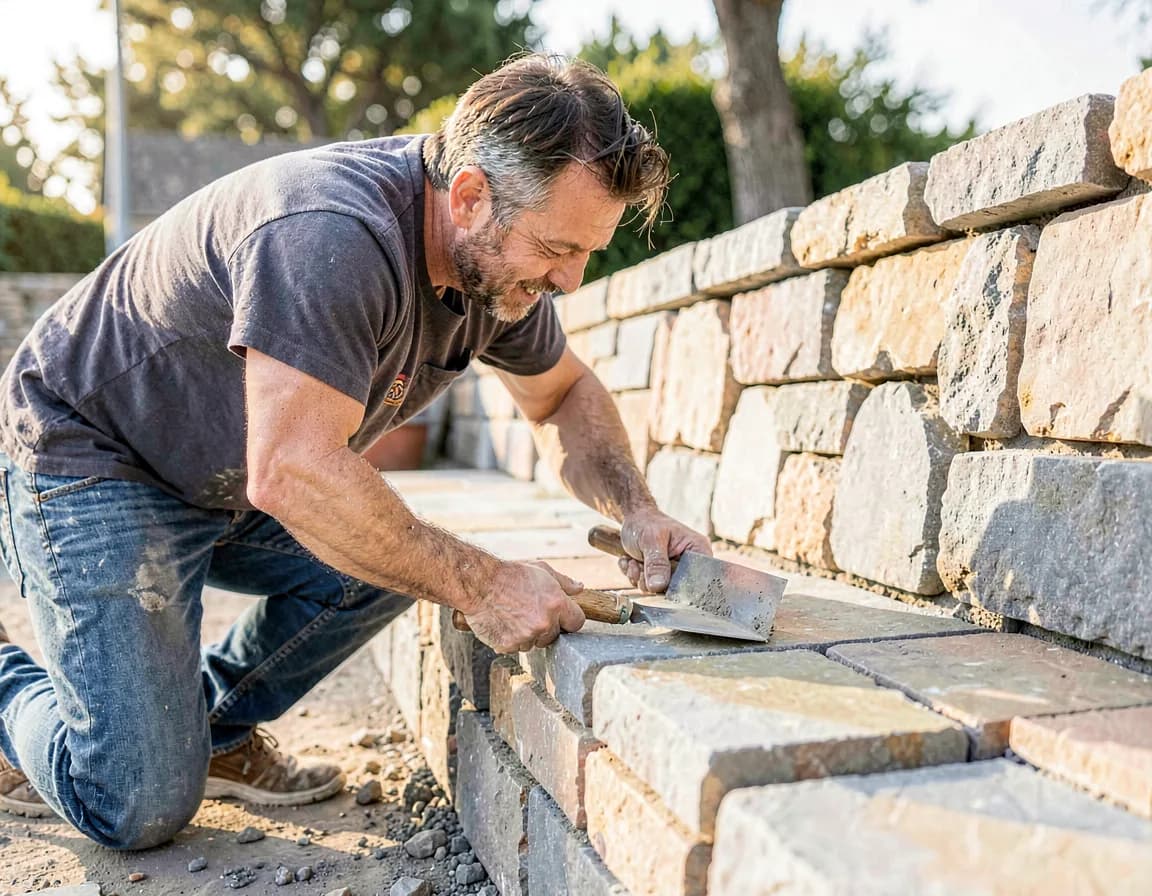
Not all masonry contractors are equal. The highest-rated Rochester masons share three qualities that show up consistently in verified reviews.
- Licensed and insured — proper liability coverage protects your property from start to finish.
- Verified independent reviews — real customer ratings across Google, Yelp, and BBB with no paid placements.
- Transparent pricing — written estimates with materials breakdown before any work begins.
Rankings use the Roc Score algorithm — a weighted composite of Google, Yelp, BBB, and service area data. We do not accept paid placement.
Common questions about stonework in Rochester, NY
How much does stonework cost in Rochester, NY?
Stonework in Rochester typically costs $20–$80 per square foot depending on stone type (natural vs manufactured) and project complexity. Retaining walls run $35–$75 per face foot; patios and walkways $25–$50 per sq ft; repointing $12–$28 per sq ft. Most residential projects land between $4,500 and $22,000. Permits are often required for retaining walls over 4 feet — NCMA-certified contractors can help navigate this.
How often do stone retaining walls need maintenance in Rochester?
A well-built natural stone retaining wall with proper drainage and footing should last 75–100+ years with minimal maintenance. Rochester's 50+ annual freeze-thaw cycles accelerate failure in walls without adequate drainage backfill, drain tile, and geotextile fabric. Annual visual inspection — especially after spring thaw — is recommended.
What is NCMA certification and why does it matter for retaining walls?
NCMA (National Concrete Masonry Association) certification means the contractor has been trained in segmental retaining wall design and construction per engineering standards. For walls over 4 feet or with surcharge loads (driveways, structures), NCMA-certified contractors ensure structural integrity and proper drainage — the two most common points of failure in Rochester retaining walls.
What is the Roc Score?
The Roc Score is a 0–100 composite ranking that weights a business's Google rating (30%), Google review count (20%), Yelp rating (10%), Yelp review count (10%), BBB accreditation (5%), review recency (10%), and service area coverage (15%). It is recalculated weekly. We do not accept paid placement.
Do stonework companies serve suburbs like Greece, Webster, and Pittsford?
Yes — most Rochester-area stonework and masonry contractors serve the broader Monroe County suburbs including Greece, Webster, Pittsford, Penfield, Brighton, Henrietta, Fairport, Victor, and Irondequoit. Each business profile lists their specific service areas.
When is the best time to schedule stonework in Rochester?
April through November is the standard season for new masonry work — mortar needs daytime temperatures above 40°F to cure properly. Most contractors book the spring slate in February or March; fall slate fills by June. Repointing on protected or tented sections can happen year-round at higher cost.
About Roc Stoneworks Directory
Roc Stoneworks Directory is maintained by Connor Meador, a Rochester-based web developer who has been ranking and reviewing local service companies in upstate NY since 2023. The directory is independently operated, accepts no paid placements, and updates rankings weekly.
- Contact: connormeador@gmail.com
- Based in: Rochester, NY
- Verified: LinkedIn · Roc Web Tech
Listings compiled from public sources (Google, Yelp, BBB, OpenStreetMap). Not affiliated with listed businesses. Contact us for corrections or removal.
Latest from the blog
Flagstone vs Pavers Patio Cost in Rochester
> TL;DR: Yes, flagstone is more expensive than pavers in Rochester — irregular flagstone installs for roughly $22–$40 per square foot versus…
How to Choose a Masonry Contractor in Rochester, NY
> TL;DR: The biggest risk in hiring a Rochester masonry contractor isn't picking the wrong stone — it's picking a contractor who skips the d…
Natural Stone vs Pavers: Rochester's 30-Year Cost Guide
> TL;DR: Over 30 years in Rochester, natural stone patios (bluestone, flagstone, granite) typically cost the same or less than concrete pave…
Built by Roc Web Tech
Want a site like this for your business?
This directory is built & maintained by Roc Web Tech — Rochester web design & AI automation for local businesses.
More Rochester local-service directories
Part of a network of independent, review-based directories for Rochester, NY — all built & maintained by Roc Web Tech.
Two things this directory can help with
Listings here are free, and business owners can correct their own. This directory was built by Roc Web Tech, which also builds sites like it.